The Explore One Titan puts a 70mm aperture on a full-size tripod for under $80, making it one of the most capable beginner telescopes at this price point. The bigger aperture compared to 50mm starter scopes means brighter, sharper images — the Moon's surface detail comes through more clearly, and Saturn's rings are confidently visible on clear nights.
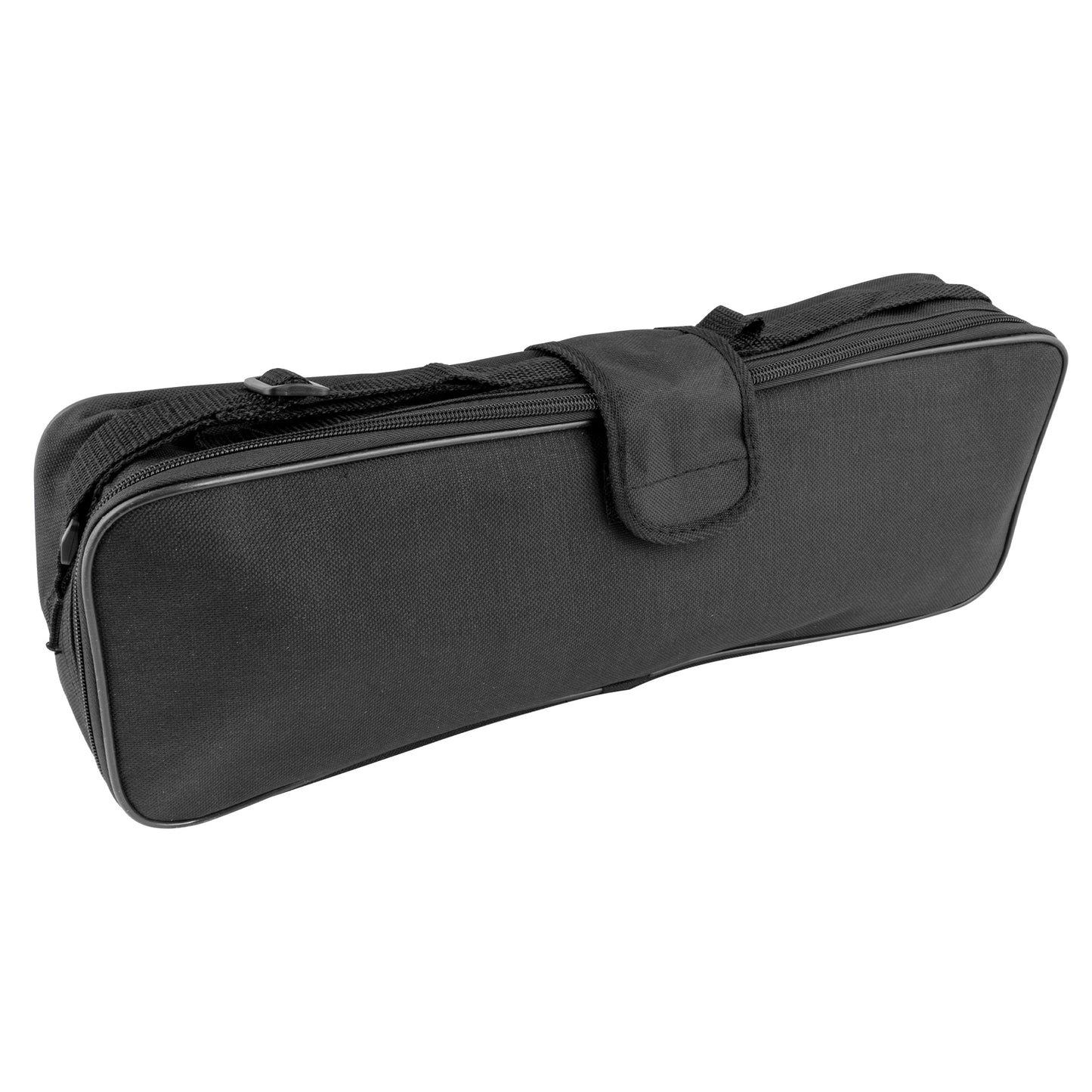
Unlike 50mm beginner scopes where you're constantly pushing the limits of what the optics can show, the Titan's 70mm lens has meaningful headroom. The panhandle AZ mount makes steering intuitive — grip and move, no stiff knobs to fight. A 360° rotatable diagonal lets you adjust the viewing angle to whatever's comfortable no matter where you're pointing, and the padded travel case means this scope is ready to go wherever the sky takes you.
What you'll see
-
The Moon — craters, mountain ranges, and dramatic terminator detail at both magnifications
-
Saturn's rings — clearly visible at 60× on good nights
-
Jupiter's cloud bands — a subtle striped hint, plus the four Galilean moons as bright dots
-
Open star clusters — the Pleiades and Beehive in wide, bright fields
-
Double stars — split into two distinct points of light
What's in the box
- 70mm refractor OTA — brushed silver finish, fully coated optics
- Full-size adjustable tripod — stable floor-standing setup, height-adjustable
- Panhandle AZ mount — smooth, intuitive one-hand control
- K20mm eyepiece (18×) — wide field for finding objects and scanning the sky
- K6mm eyepiece (60×) — higher power for the Moon and planetary detail
- 360° rotatable diagonal — adjust the viewing angle to whatever's comfortable
- Smartphone adapter — take photos through the eyepiece and share what you see
- Padded travel case — keeps the scope protected between sessions and on the road
| Specifications |
| Optical design |
Achromatic refractor |
| Aperture |
70 mm — noticeably more light-gathering than 50mm entry-level scopes |
| Focal length |
360 mm (f/5.1) |
| Magnification |
18× (K20mm) and 60× (K6mm) |
| Mount |
Panhandle alt-azimuth — smooth, one-hand steering |
| Diagonal |
360° rotatable — comfortable viewing angle at any target |
| Includes |
Smartphone adapter, padded travel case |
Backed by Telescope Wolves' price match guarantee and free US shipping. Questions about whether 70mm is right for you? We're happy to help.
Frequently asked questions
What's the real difference between 50mm and 70mm?
The 70mm aperture gathers nearly twice the light of a 50mm scope. In practice, this means the Moon looks sharper and brighter, Saturn's rings are more confidently visible, and star clusters resolve into individual stars more easily. At this price range, the 70mm Titan is one of the better value upgrades available.
How does the panhandle mount work?
Instead of two separate slow-motion knobs for up/down and left/right movement, the panhandle is a single handle you grip and push in any direction while looking through the eyepiece. It's much more intuitive, especially for beginners trying to follow moving objects or make small adjustments without losing the target.
What is the 360° rotatable diagonal?
The diagonal routes the light path so you're looking down into the eyepiece rather than straight back through the tube. A rotatable diagonal means you can twist it to any angle — useful when you're pointing at targets at different elevations and want a comfortable viewing position every time.
Is the travel case genuinely useful?
Yes. The padded case keeps the OTA, eyepieces, and diagonal protected and organized between sessions. For families who bring the telescope camping or to dark-sky sites, it makes setup and teardown significantly easier — everything has its place and nothing gets lost.
New to astronomy? Read our beginner's guide to choosing your first telescope or our Astronomy 101 guide to get started.